
全部藏品
探索234個藏品
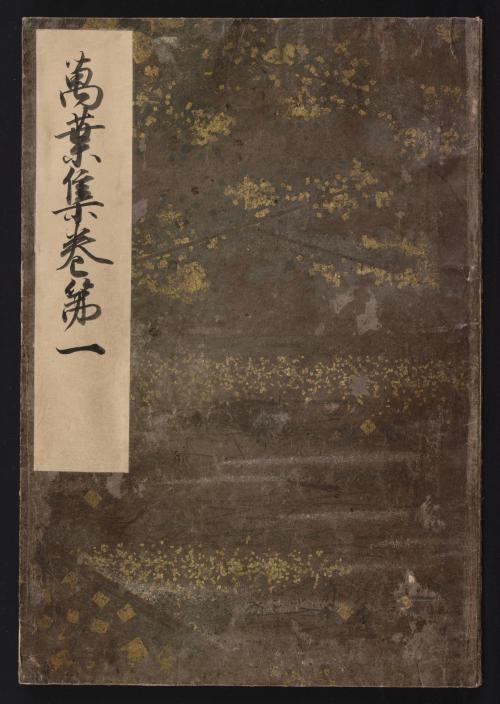
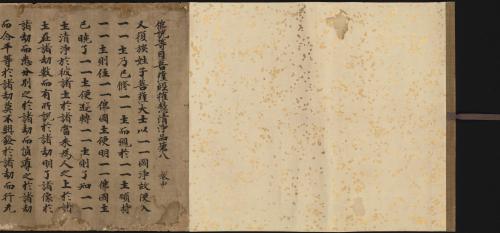
元曆校本萬葉集 卷一、六、十二、十八
東京國立博物館
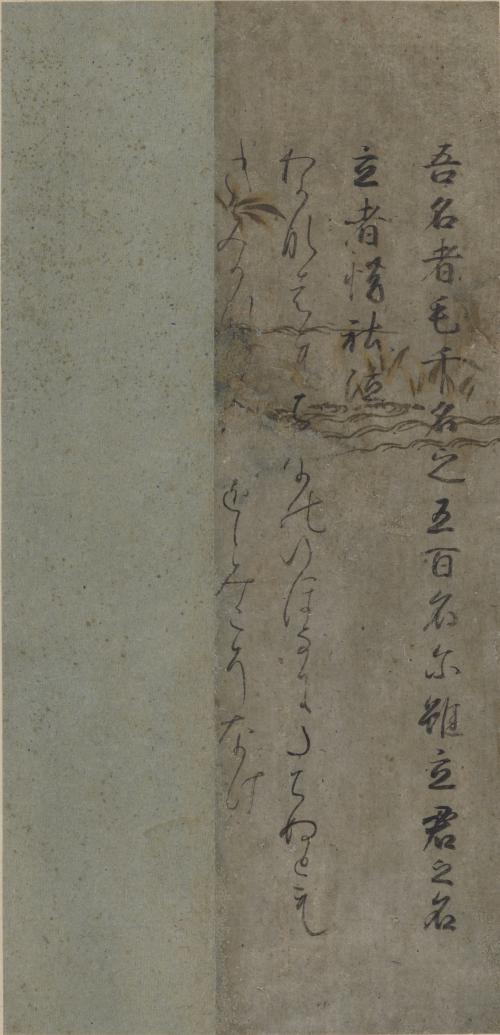
《萬葉集》是收集了古代日本詩歌的日本最古老的詩歌集,完成於八世紀後半葉。現存于世的《萬葉集》均為平安時代以後抄錄,此元曆校訂本萬葉集為元曆元年(1184)校訂的鈔本。
該鈔本是抄錄于平安時代的《萬葉集》中收錄詩歌數量最多的,其中的文字也是代表平安時代的書法名家所寫,因此特別受到重視。
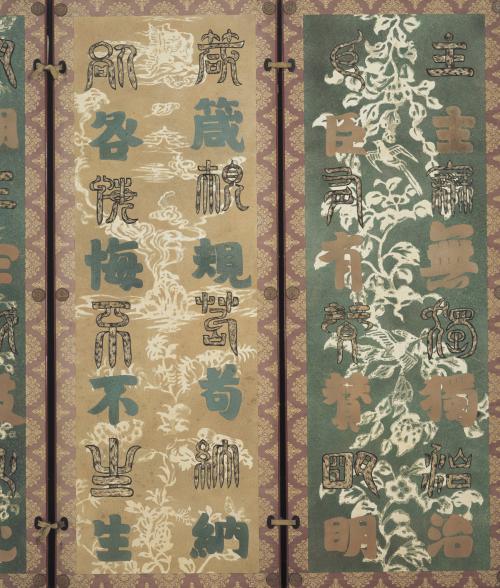
正倉院鳥毛篆書屏風(摹本)
東京國立博物館
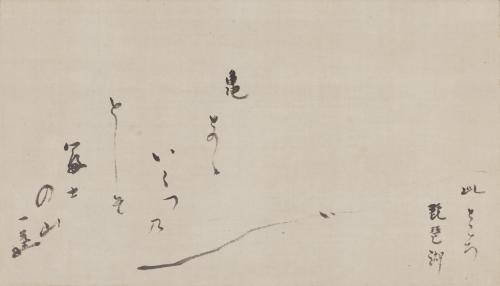
詠草
東京國立博物館
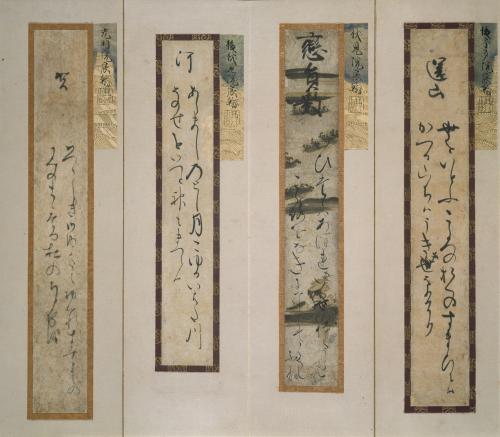
短冊手鑒
東京國立博物館
四言四句
東京國立博物館
寸松庵色紙
東京國立博物館
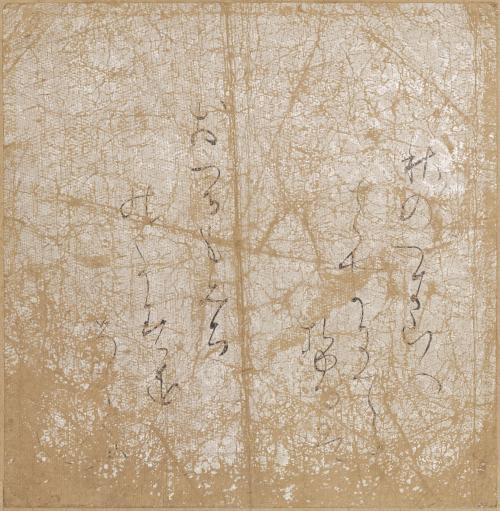
這是從《古今和歌集》書冊中剪切下一部分後製成的掛軸。日本江戶時代的茶道雅士佐久間將監實勝(1570-1642)曾將其收藏於京都大德寺塔頭的茶室寸松庵中,因此得名為「寸松庵色紙」。這件作品作為茶會中的掛軸而備受尊崇。

天下為公
國立國父紀念館
釋文:
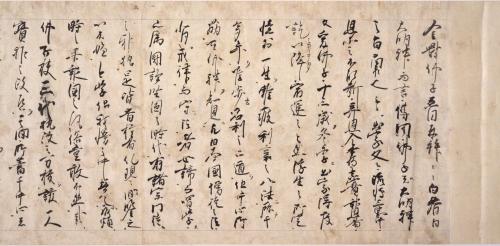
(1)景武世講珍藏 國父遺墨囑題。哲人日遠手澤猶新,高山仰止百世之珍。孫科。
(2)天下為公。孫文。
(3)馬超俊敬觀。六十三年元旦。
黃季陸敬閱。五十八年八月十二日。
煌煌寶訓大道示人,進於大同世界皆春。鄭彥棻敬觀。七十年十一月。

匾額「博物局」
東京國立博物館

Four Poems: Calligraphy in Cursive Script (xingshu)
The Cleveland Museum of Art
Written in graceful calligraphy with well-composed characters, the artist communicates his thoughts and state of mind in four poems.
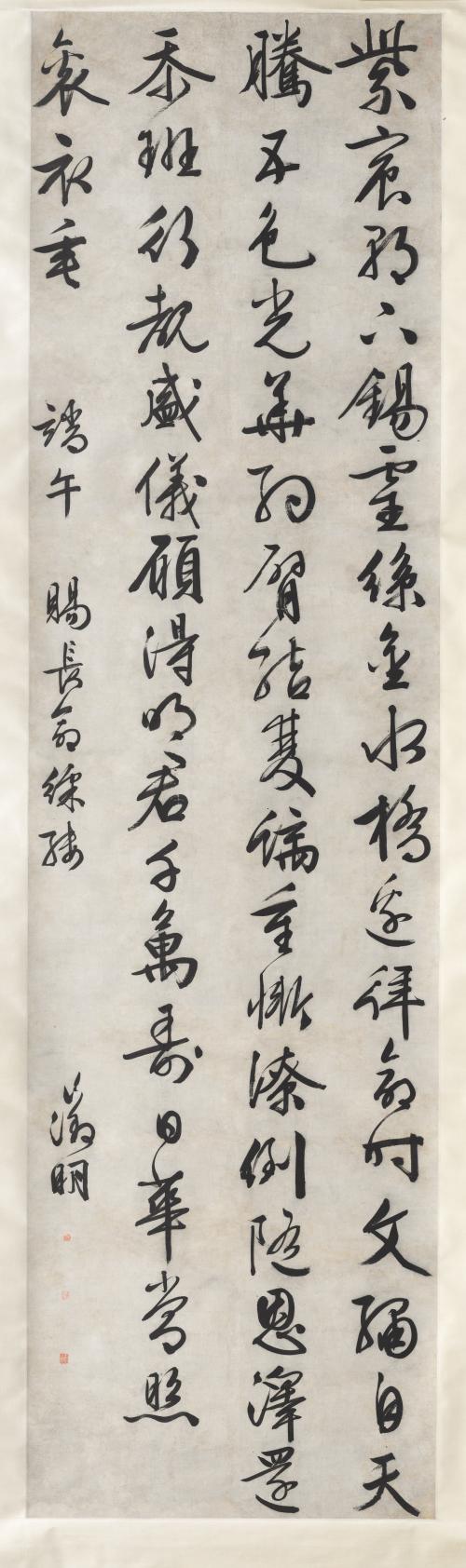
Poem on Imperial Gift of an Embroidered Silk: Calligraphy in Cursive Script Style (xingshu)
The Cleveland Museum of Art
A poem by the influential Wen Zhengming expresses Wen’s gratitude to the Jiajing emperor (reigned 1522–1567) for a gift of embroidered silk bestowed i
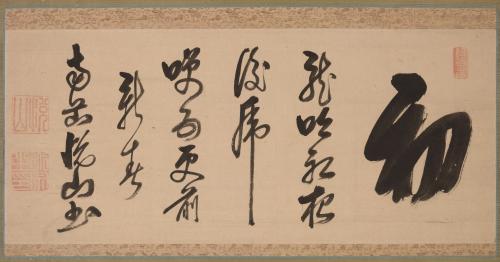
Calligraphy in Semi-Cursive Style (xing-caoshu)
The Cleveland Museum of Art
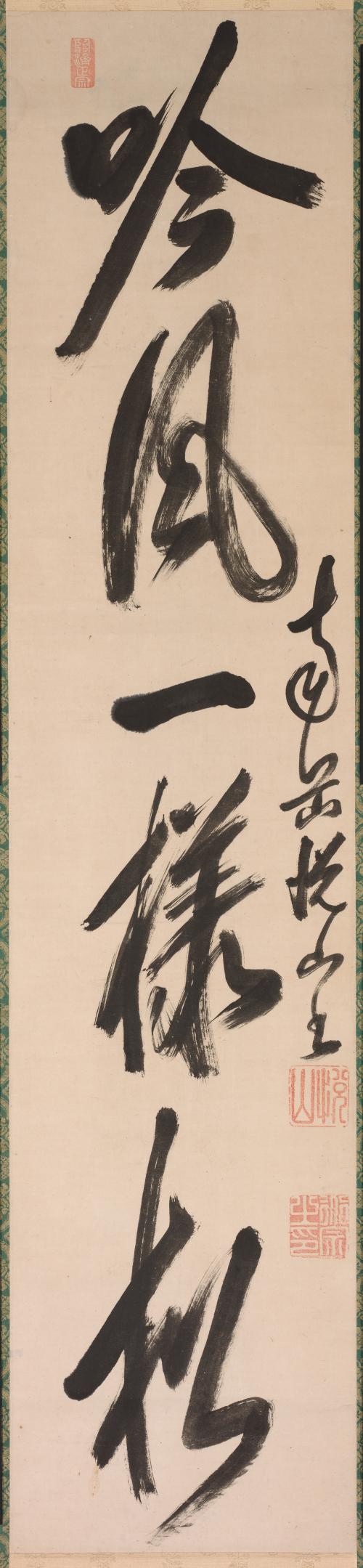
This spontaneous, bold calligraphy style is characteristic of members of the Japanese Obaku sect of Chan Buddhism (Huangbo in Chinese), which was intr
Calligraphy in Semi-Cursive Style (xing-caoshu)
The Cleveland Museum of Art
This bold calligraphy written by Yueshan, an Obaku sect monk, consists of five characters tentatively translated as “Pine trees singing in the wind.”
Calligraphy in Running Style based on Wang Bo's Essay on Tengwang Pavilion
The Cleveland Museum of Art
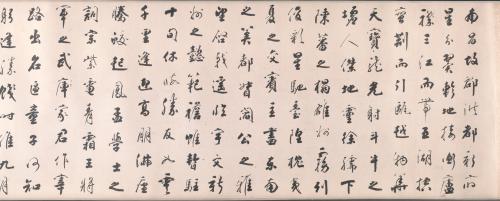
A member of the Donggo clan, Tiebao belonged to the Manchu Plain Yellow Banner army.
Poem
The Cleveland Museum of Art