
全部藏品
探索585個藏品
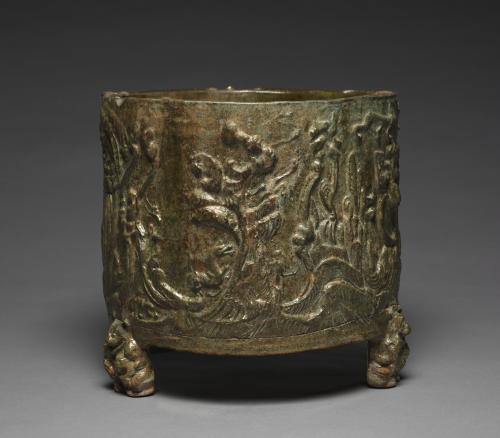
Cylindrical Jar
The Cleveland Museum of Art
Vessels like this often are call "hill jars" since many survive with conical covers shaped in rising peaks.
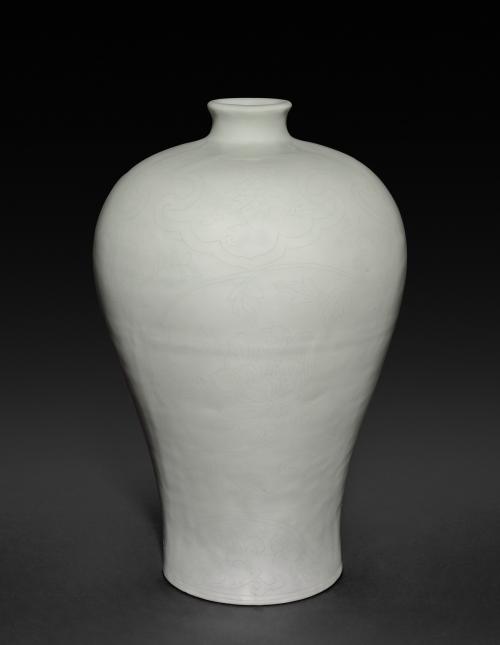
Meiping Vase with Cloud Collars and Peony Sprays
The Cleveland Museum of Art
This beautiful vase, called a meiping, is a testimony to the extremely high standards demanded for imperial white porcelain of the Yongle period.

Dish
The Cleveland Museum of Art
Former director Sherman Lee stressed the significance of technical innovation in his study of Chinese ceramics.
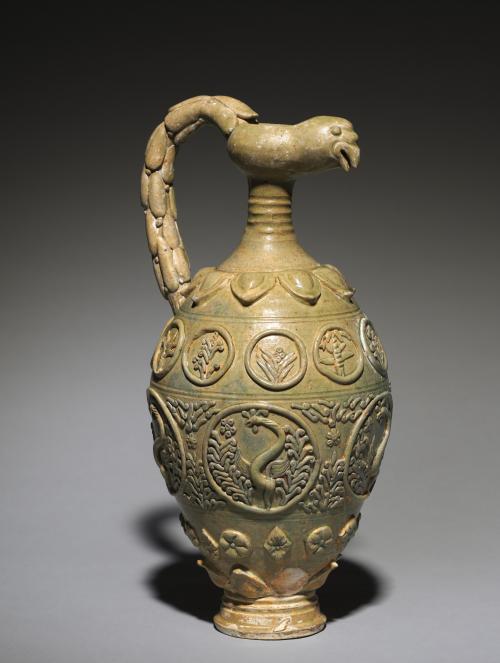
Bird-Headed Ewer
The Cleveland Museum of Art
With a lobed body, a bird-shaped head, and a birdfeather loop handle, this ewer is derived from West and Central Asian metalwork: Tang potters adopted
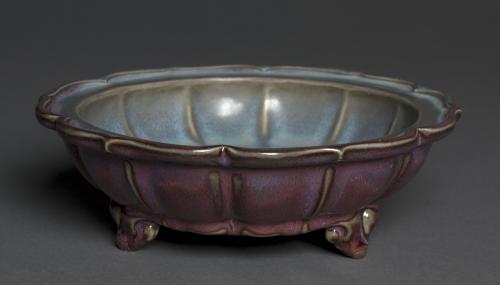
Bulb Bowl
The Cleveland Museum of Art
Numbered Jun ware is inscribed with a number on its bottom-in this case number "two"-and is thought to have been made initially for the earl

Bowl with Lotus Scrolls
The Cleveland Museum of Art
Bowl such as this, with kinrande (gold-engraved) decoration over monochrome enamels, may have been made originally for export to Japan.
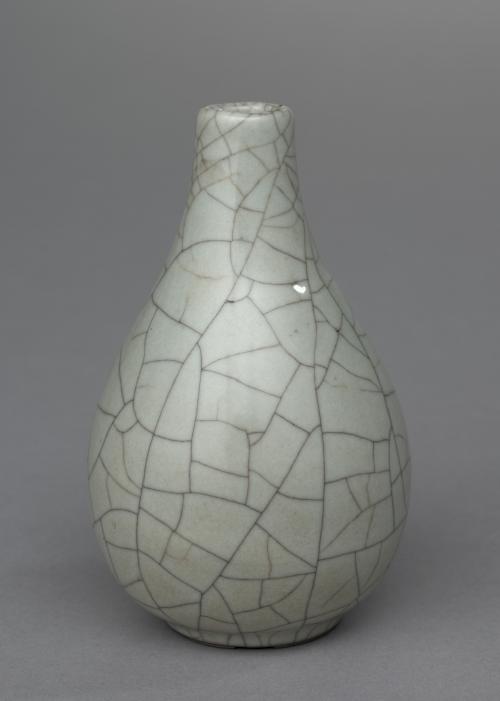
Bottle Vase: Guan ware
The Cleveland Museum of Art
An 18th-century Korean collector Yu Man-joo (1755–1788) wrote that “spending money on luxury clothing, dishes, and decorations for the home is a waste
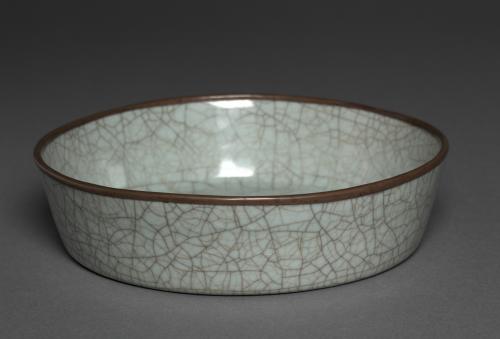
Basin
The Cleveland Museum of Art
Guan ware was the official ware fired at the Southern Song imperial kilns in Hangzhou. Multiple glazing is characteristic of this ware.

Jar with Cover
The Cleveland Museum of Art
The beauty of Jun ware lies in its spectacular glaze effects, which provide immediate visual appeal.
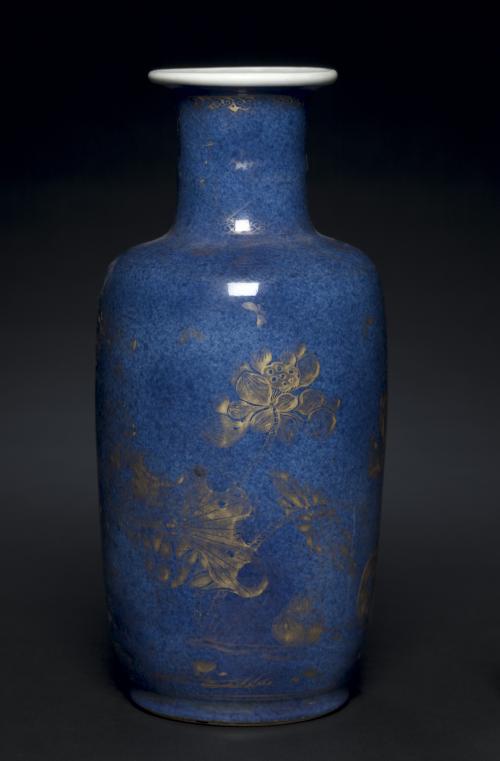
Vase with Lotus Plants
The Cleveland Museum of Art
An 18th-century Korean collector Yu Man-joo (1755–1788) wrote that “spending money on luxury clothing, dishes, and decorations for the home is a waste
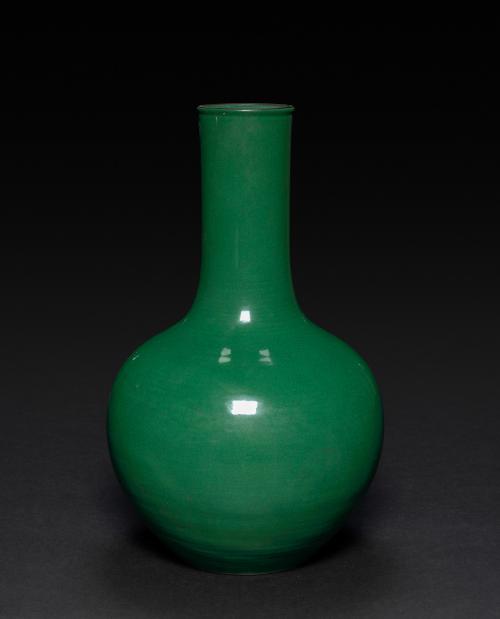
Bottle-shaped Vase
The Cleveland Museum of Art
An 18th-century Korean collector Yu Man-joo (1755–1788) wrote that “spending money on luxury clothing, dishes, and decorations for the home is a waste
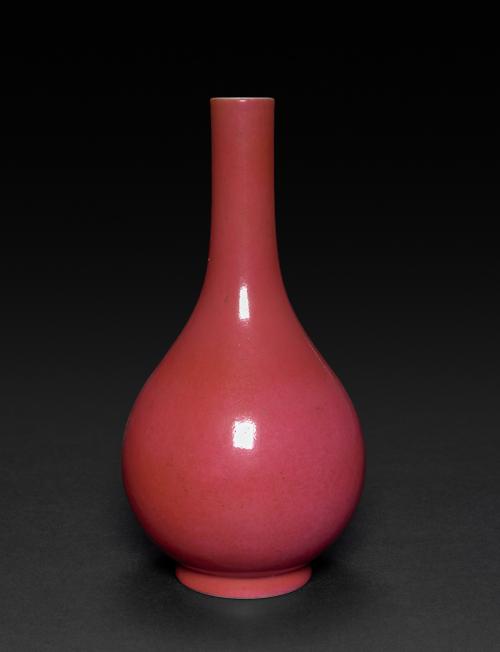
Vase with Pear-Shaped Body
The Cleveland Museum of Art
An 18th-century Korean collector Yu Man-joo (1755–1788) wrote that “spending money on luxury clothing, dishes, and decorations for the home is a waste
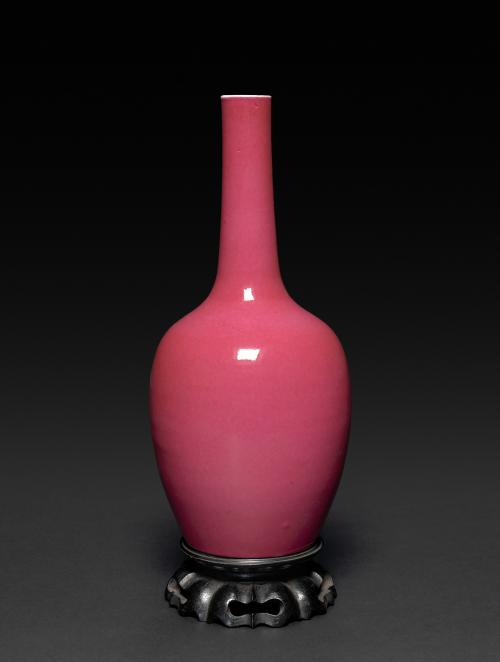
Vase
The Cleveland Museum of Art
An 18th-century Korean collector Yu Man-joo (1755–1788) wrote that “spending money on luxury clothing, dishes, and decorations for the home is a waste
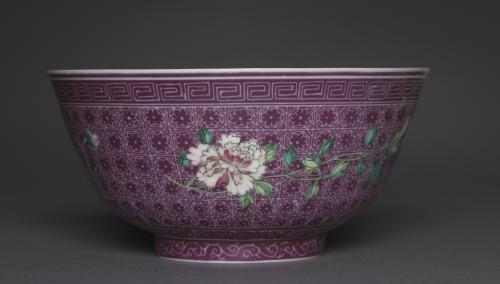
Bowl with Peony Sprays on Diaper Ground (exterior); Chrysanthemum Sprays (interior)
The Cleveland Museum of Art
The production of extraordinarily refined Qing imperial wares such as these could have involved the transportation of undecorated, plain porcelains fr
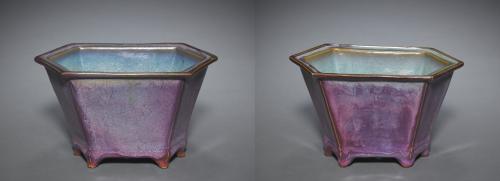
Pair of Hexagonal Flower Pots
The Cleveland Museum of Art
This deep hexagonal flowerpot, one of a pair in the collection, is numbered "8" and bears additional inscriptions to indicate specifically t
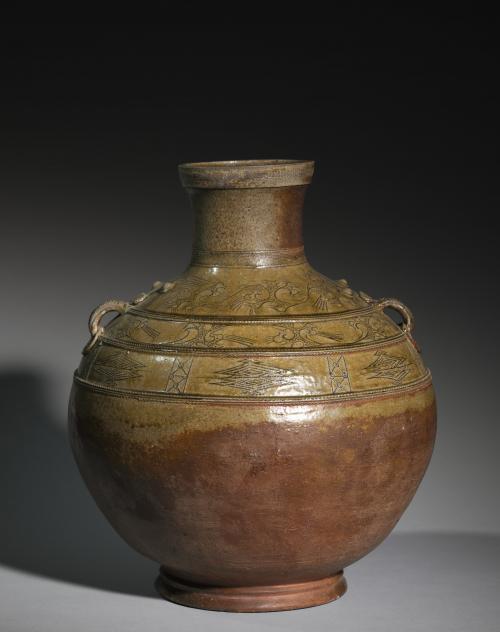
Jar (Hu)
The Cleveland Museum of Art
This superb Han dynasty jar has a robust shape imitating that of the bronze (hu) and is covered with a thin brownish-green glaze.
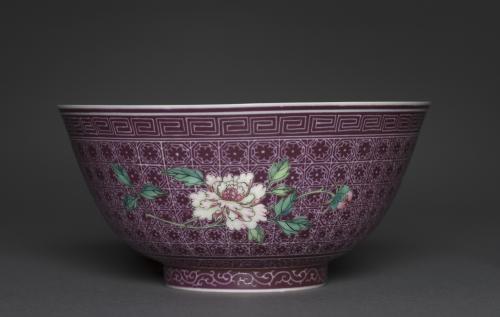
Bowl with Peony Sprays on Diaper Ground (exterior); Chrysanthemum Sprays (interior)
The Cleveland Museum of Art
The production of extraordinarily refined Qing imperial wares such as these could have involved the transportation of undecorated, plain porcelains fr
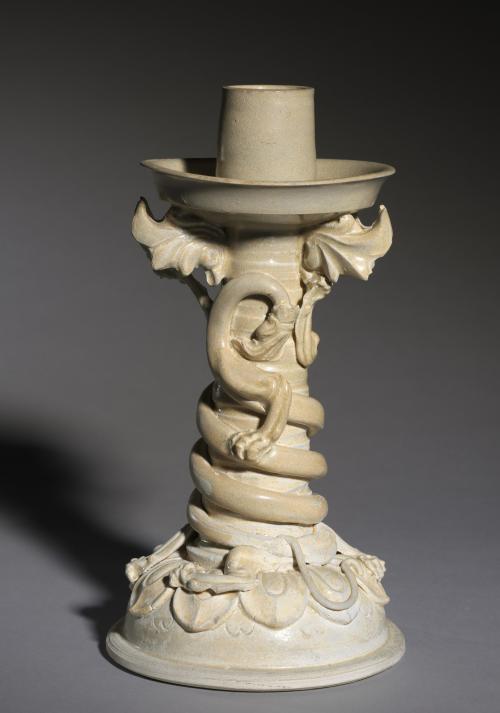
Candle Stand
The Cleveland Museum of Art
This magnificent candle or lamp stand consists of a shallow dish and a cylindrical holder, below which is a columnar support embellished with palmette
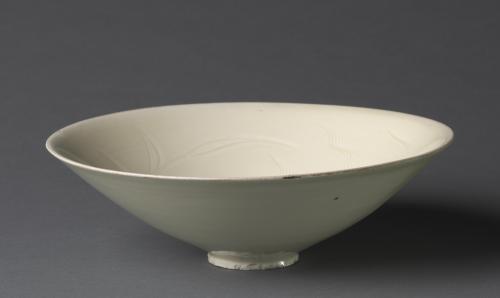
Bowl with Ducks among Waves and Reeds
The Cleveland Museum of Art
Delicacy and refinement, combined with simplicity of shape, make Ding ware particularly attractive.
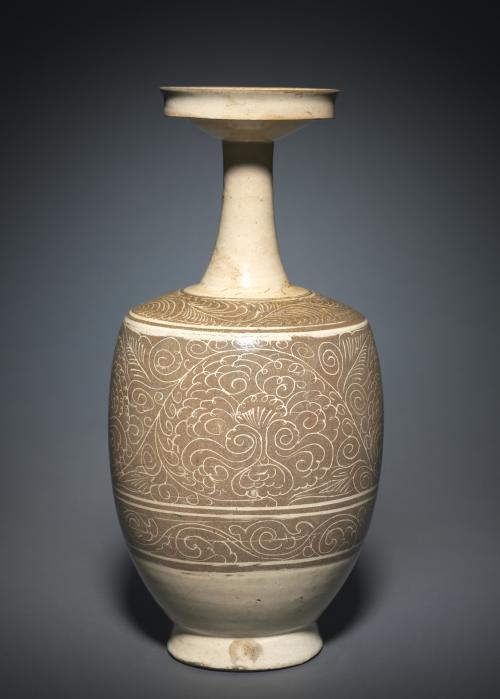
Vase with Floral Scrolls
The Cleveland Museum of Art
Cizhou ware characteristically shows the use of slip coating, bold designs, and color contrasts to achieve stunning visual effects.
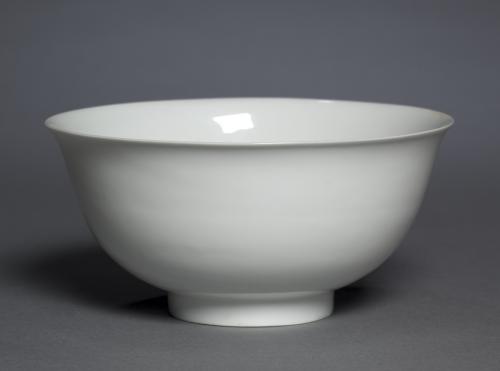
Bowl with Dragons and Clouds
The Cleveland Museum of Art
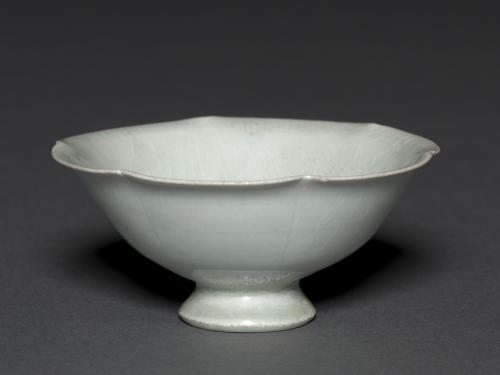
Cup and Stand
The Cleveland Museum of Art
The kilns of Jingdezhen in Jiangxi province produced an extremely delicate porcelain made from the local resources of kaolin (white China clay) and pe
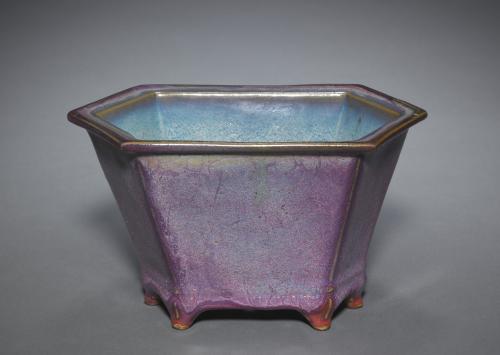
Hexagonal Flower Pot
The Cleveland Museum of Art
This deep hexagonal flowerpot, one of a pair in the collection, is numbered "8" and bears additional inscriptions to indicate specifically t
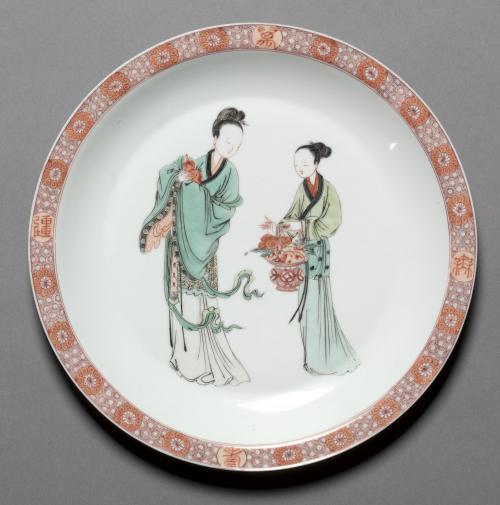
Dish with Female and Attendant
The Cleveland Museum of Art
On the flattened rim of this dish is a band of ironred enamel decoration with the Chinese characters Wanshou wujiang, meaning "Long life without