
全部藏品
探索2421個藏品

Vase with Silver Lid
The Walters Art Museum
Each of the four sides of this miniature vase is painted in underglaze cobalt blue depicting female figures.
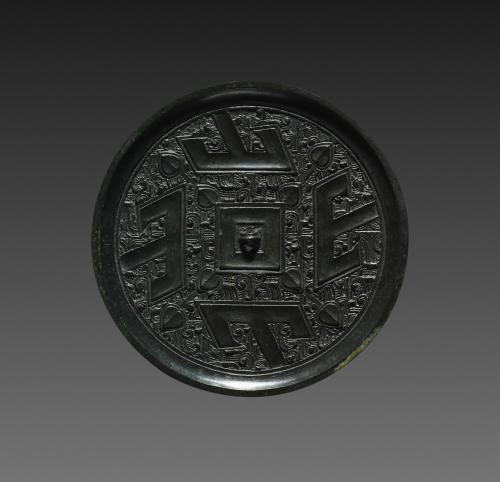
Mirror with Four T's
The Cleveland Museum of Art
The symbolic significance of the ancient Chinese mirror lies in its circular form and reflective quality that make it resemble the sun and the moon.
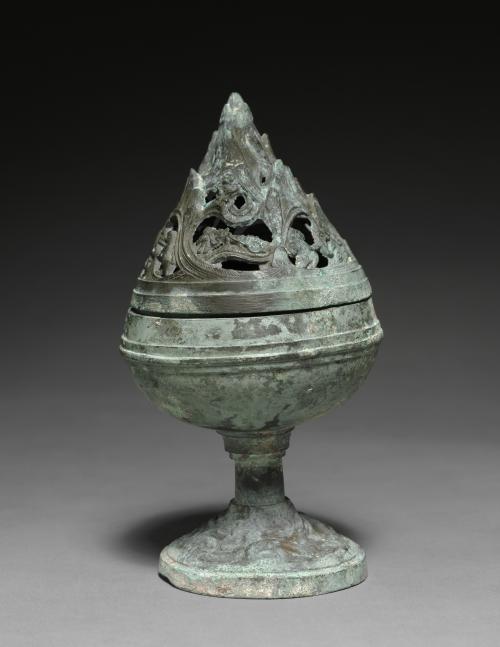
Incense Burner (Boshan Lu)
The Cleveland Museum of Art
This incense burner--one of the most imaginative bronze vessel types--takes the shape of the mountain to represent the mythical land of the immortals,
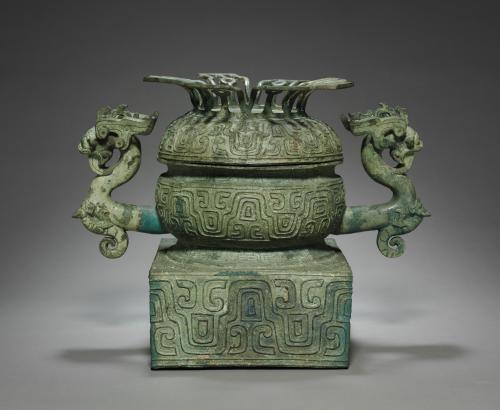
Food Container (Gui)
The Cleveland Museum of Art
Openwork and sculptural designs elaborately transform the silhouette of this gui, a ritual food vessel with a square pedestal.

Jar with Cover
The Cleveland Museum of Art
The beauty of Jun ware lies in its spectacular glaze effects, which provide immediate visual appeal.
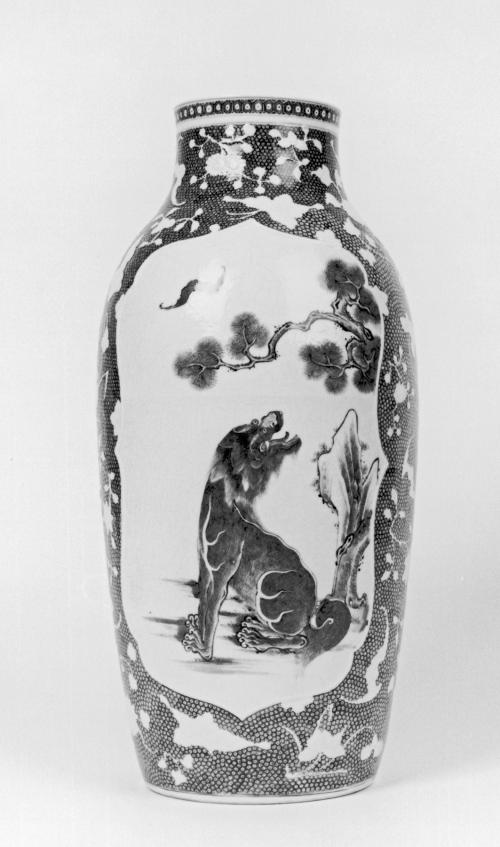
Vase with Lions and Bats in Panels
The Walters Art Museum
The soft-paste porcelain of this vase is painted and incised with two foliated panels on a faintly crackled ground.
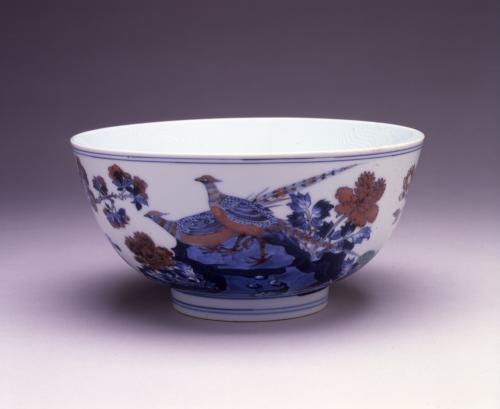
Bowl with Pheasants
The Walters Art Museum
Pheasants were appreciated in China for their striking tail feathers, making them symbols of beauty.
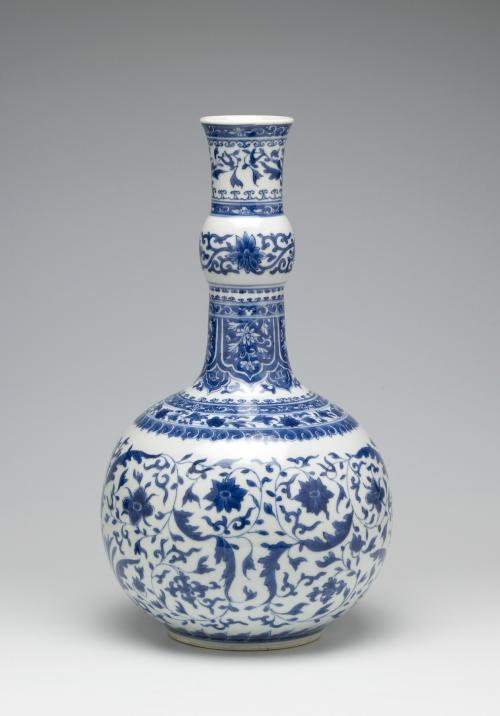
One of a Pair of Export Bottles
The Walters Art Museum
This bottle shaped vase, with a bulge in the neck and flared mouth, is one of a pair painted in underglaze cobalt blue on white porcelain.
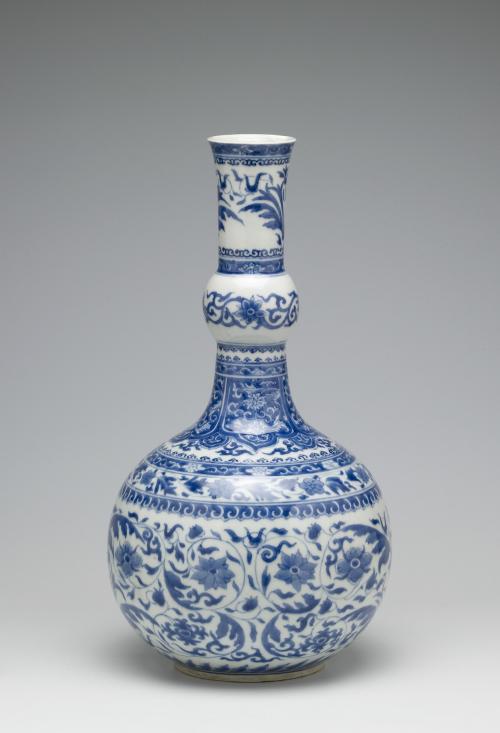
One of a Pair of Export Bottles
The Walters Art Museum
This bottle shaped vase, with a bulge in the neck and flared mouth, is one of a pair painted in underglaze cobalt blue on white porcelain.
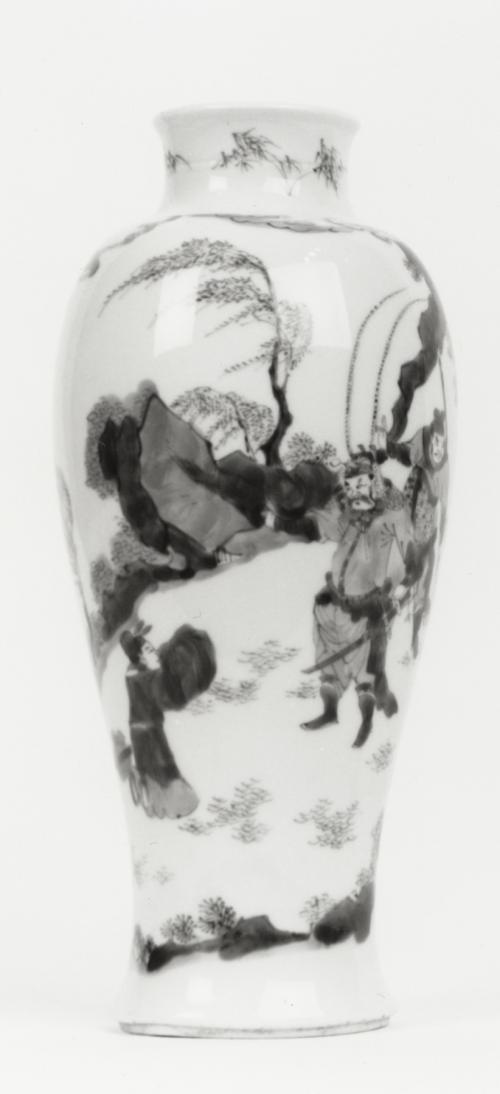
Vase with a Scene from a Novel
The Walters Art Museum
The meiping (plum vase) porcelain type acted as a dynamic surface for paintings, including the narrative seen on this blue and white vessel.

Water Vessel
The Walters Art Museum
This type of water pot for washing brushes is named for sharing the shape of a beehive or chicken-coop (domed bamboo baskets with a small opening on t
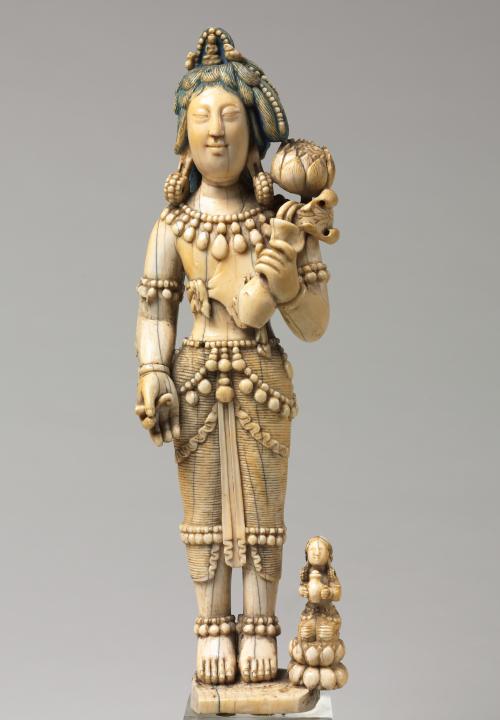
Bodhisattva of Compassion (Avalokiteshvara)
The Cleveland Museum of Art
Chöying Dorjé was one of the most influential monastic leaders in the history of Tibetan Buddhism.
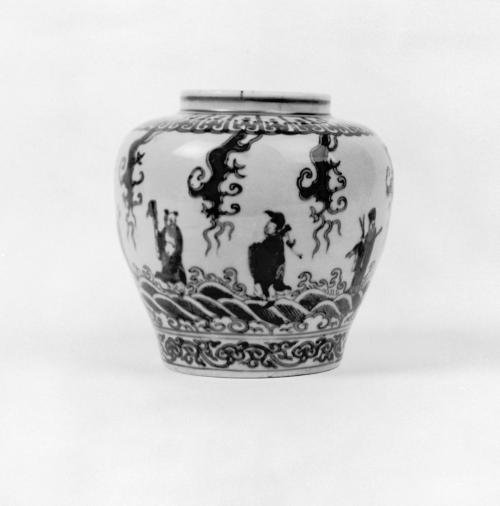
Jar with the Eight Immortals
The Walters Art Museum
This jar is painted with figures and designs in underglaze cobalt blue.
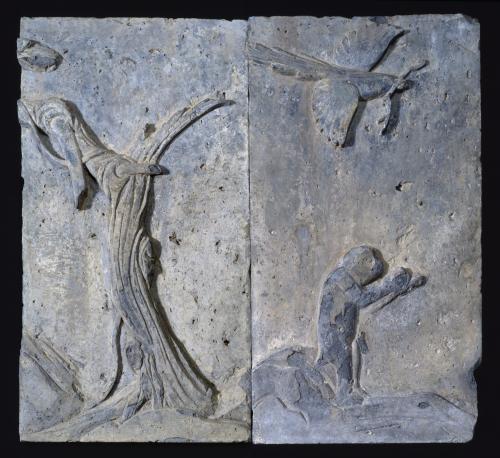
Architectural Panels with Scenes from a Bodhisattva Legend
The Walters Art Museum
These panels, carved in low relief, must have originally adorned a Buddhist structure, perhaps a pagoda somewhere in northernmost China.

Box for Seal Paste
The Walters Art Museum
This small round covered box, called yinse he in Chinese, held the vermillion seal paste on the scholar's writing desk.
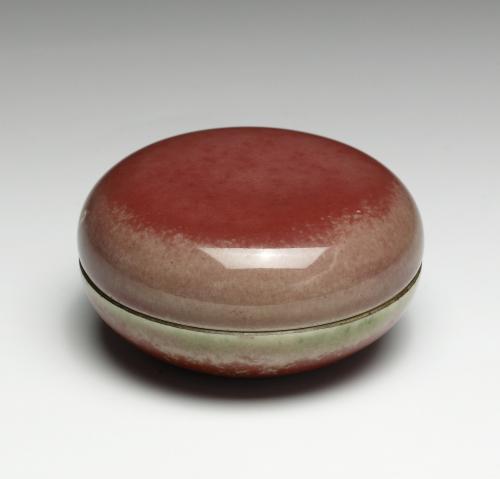
Circular Box for Seal Vermillion
The Walters Art Museum
This small round covered box, called yinse he in Chinese, held the vermillion seal paste on the scholar's writing desk.
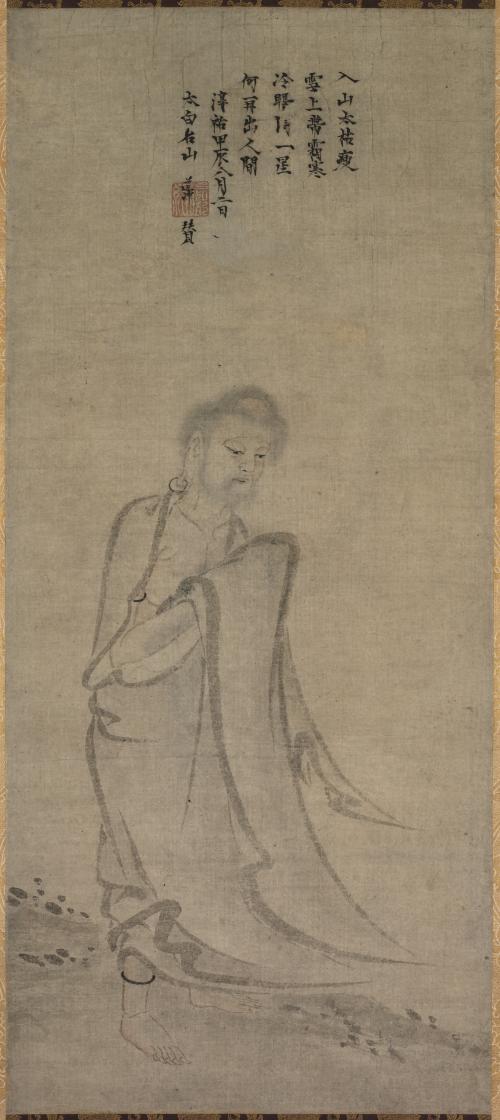
Shakyamuni Emerging from the Mountains
The Cleveland Museum of Art
Shakyamuni emerged from the mountains after years of ascetic practices, which anticipated his sermon in the Deer Park and attainment of enlightenment
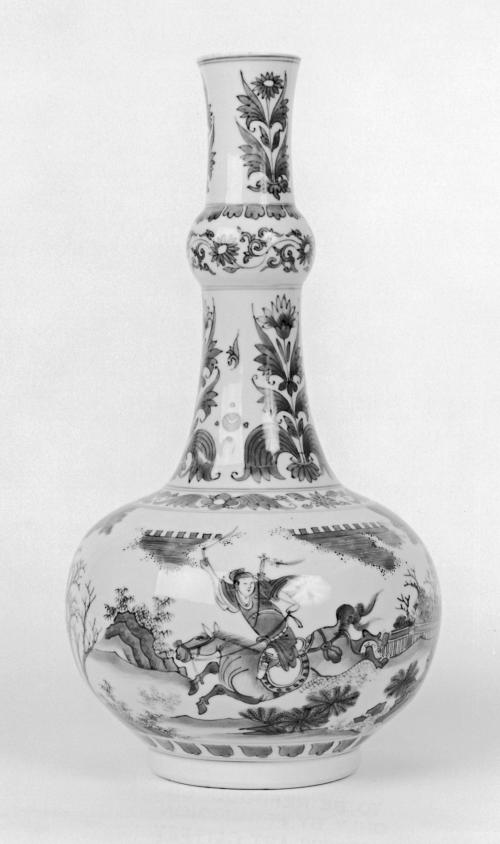
Blue and White Bottle with Scenes from a Novel
The Walters Art Museum
This bottle shaped vase with a bulge in the neck is an example of export porcelain to Holland.
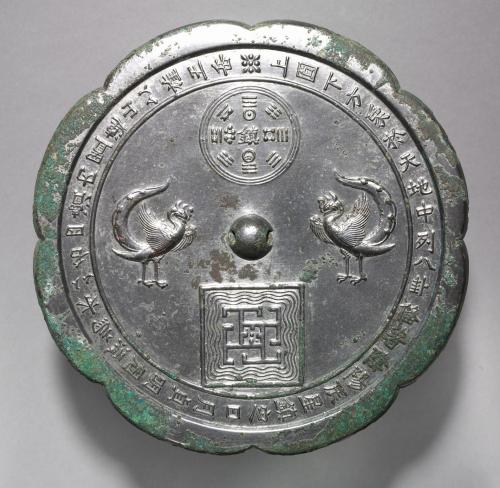
Lobed Mirror with Heaven and Earth between the Paired Phoenixes
The Cleveland Museum of Art
This mirror bears an important inscription as well as symbolic imagery of the Eight Trigrams and Heaven and Earth to express the ancient Chinese cosmo
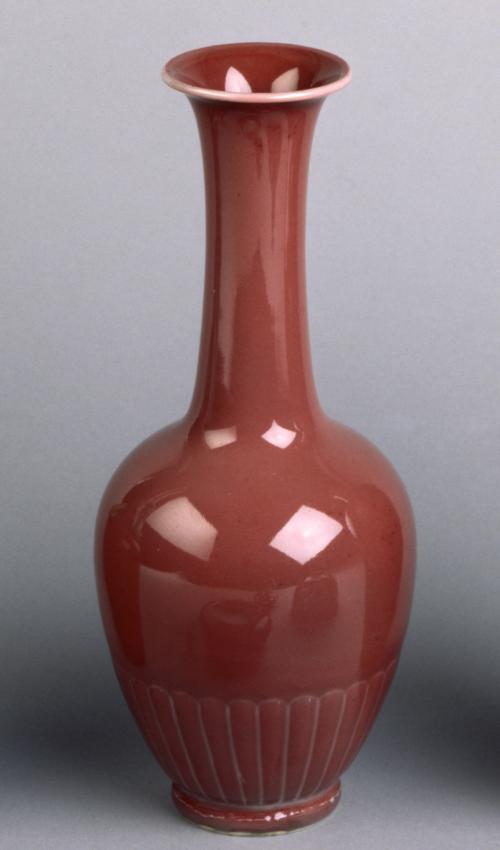
Lotus-Petal Vase
The Walters Art Museum
The chrysanthemum (juban) or lotus (heban) vase shape receives its name from the petals impressed around the base.
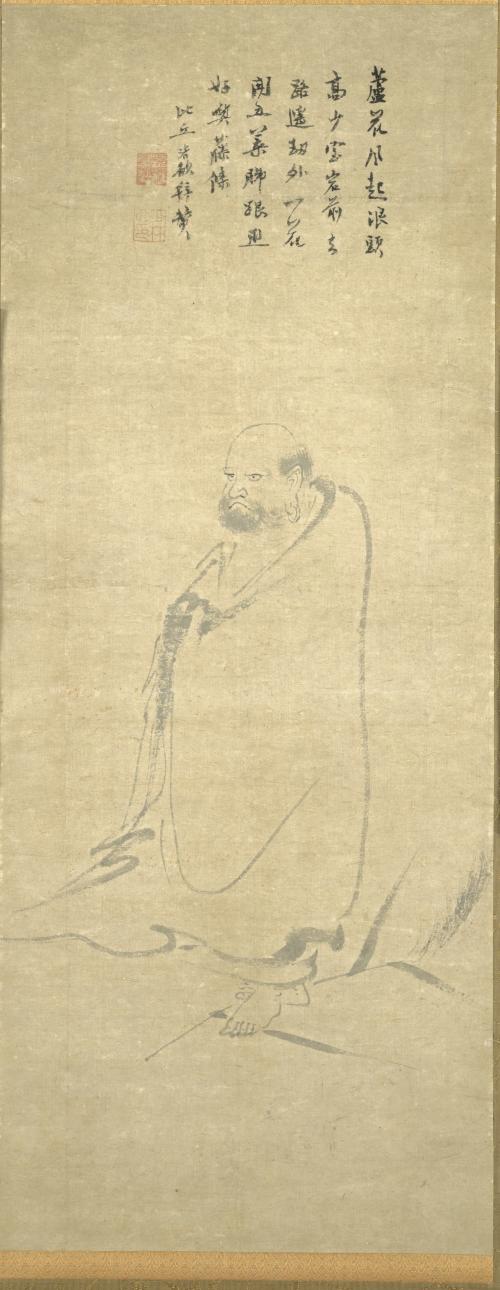
Bodhidharma Crossing the Yangzi on a Reed
The Cleveland Museum of Art
Bodhidharma was a legendary Indian monk who is said to have transmitted the Chan (or Zen) doctrine from India to China in the 6th century.
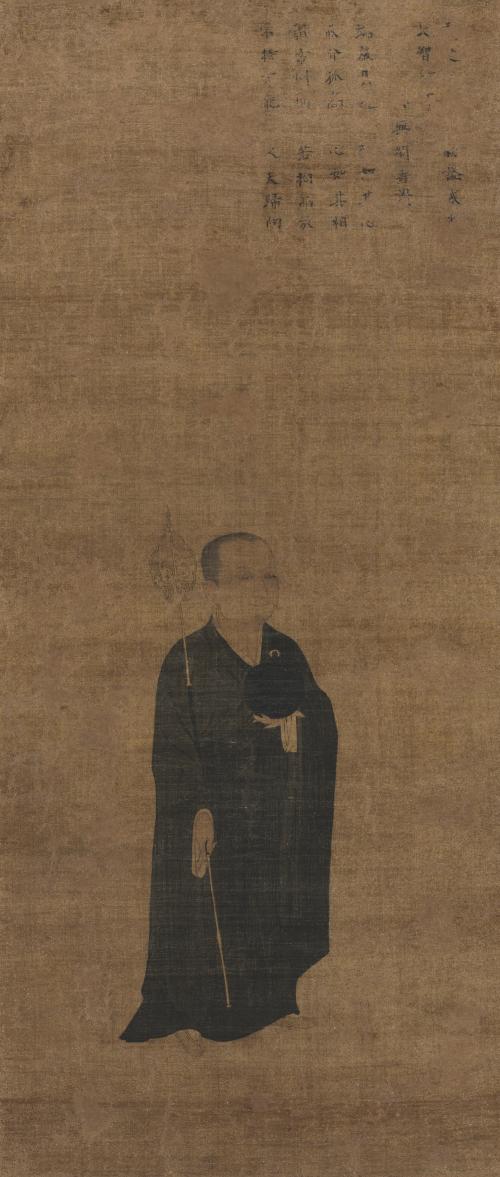
Portrait of Priest Dazhi (1048-1116), the Master of Law
The Cleveland Museum of Art
A native of Hangzhou, the priest Dazhi was known for his eloquent exposition of Buddhist doctrines and for his success in winning many converts.
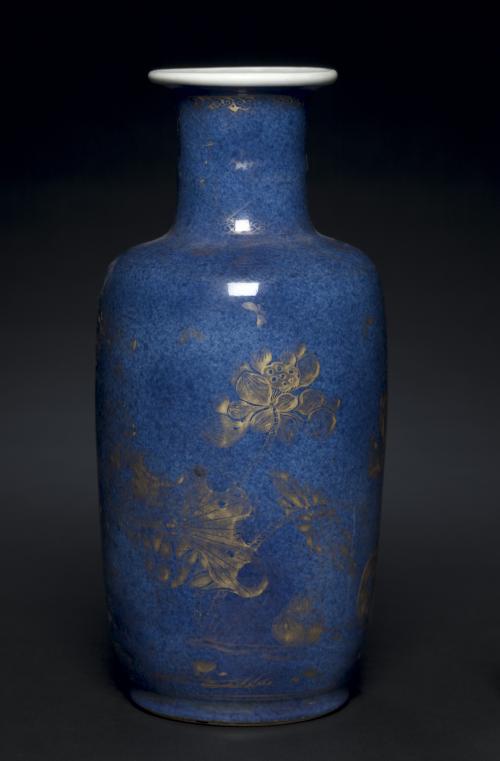
Vase with Lotus Plants
The Cleveland Museum of Art
An 18th-century Korean collector Yu Man-joo (1755–1788) wrote that “spending money on luxury clothing, dishes, and decorations for the home is a waste
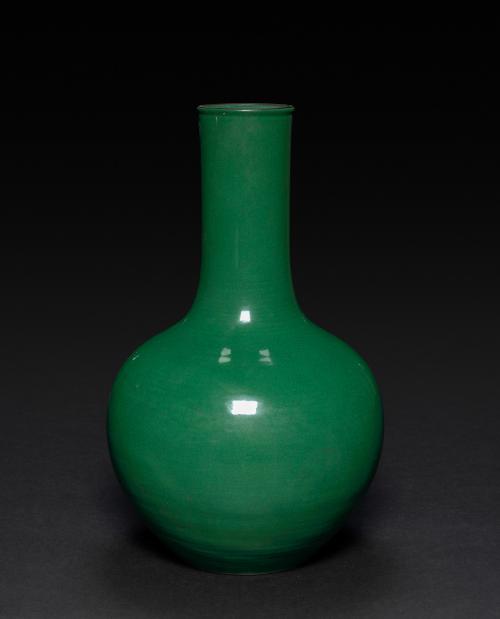
Bottle-shaped Vase
The Cleveland Museum of Art
An 18th-century Korean collector Yu Man-joo (1755–1788) wrote that “spending money on luxury clothing, dishes, and decorations for the home is a waste